Phasetruth

Unlike matter, our truth won't shift under pressure!
Unlike matter, our truth won't shift under pressure!
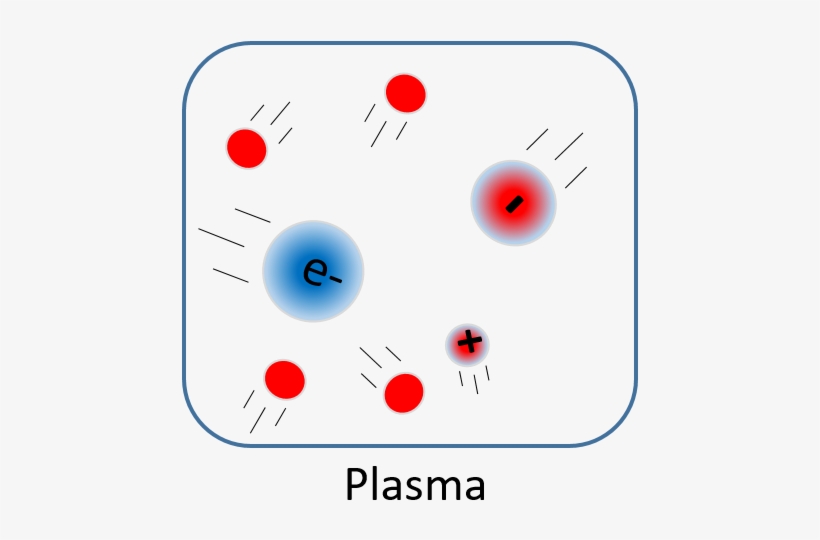
Plasma is the fourth state of matter, distinct from solids, liquids, and gases. It consists of a superheated, ionized gas where electrons have been stripped from atoms, creating a mixture of free-moving electrons and positively charged ions. Because of this, plasma is electrically conductive and highly responsive to magnetic and electric fields, unlike neutral gases. It is the most abundant state of matter in the universe, making up stars, nebulae, and much of interstellar space. On Earth, plasmas can be found in lightning, flames, and specialized technologies like neon signs and fusion reactors. Due to its extreme energy levels, plasma behaves very differently from ordinary gases, often forming intricate structures under electromagnetic influence.
Plasmas can be classified as either hot or cold. Hot plasmas, such as those in the Sun, have extremely high temperatures that keep the particles ionized. Cold plasmas, like those used in industrial applications, have only partially ionized particles and can exist at relatively low temperatures while still displaying plasma behavior. Plasma is crucial in scientific and technological advancements, from nuclear fusion research (which could one day provide limitless clean energy) to plasma TVs, semiconductor manufacturing, and even medical sterilization. Its unique properties allow for applications that no other state of matter can achieve.