Solids

Unlike matter, our truth won't shift under pressure!
Unlike matter, our truth won't shift under pressure!
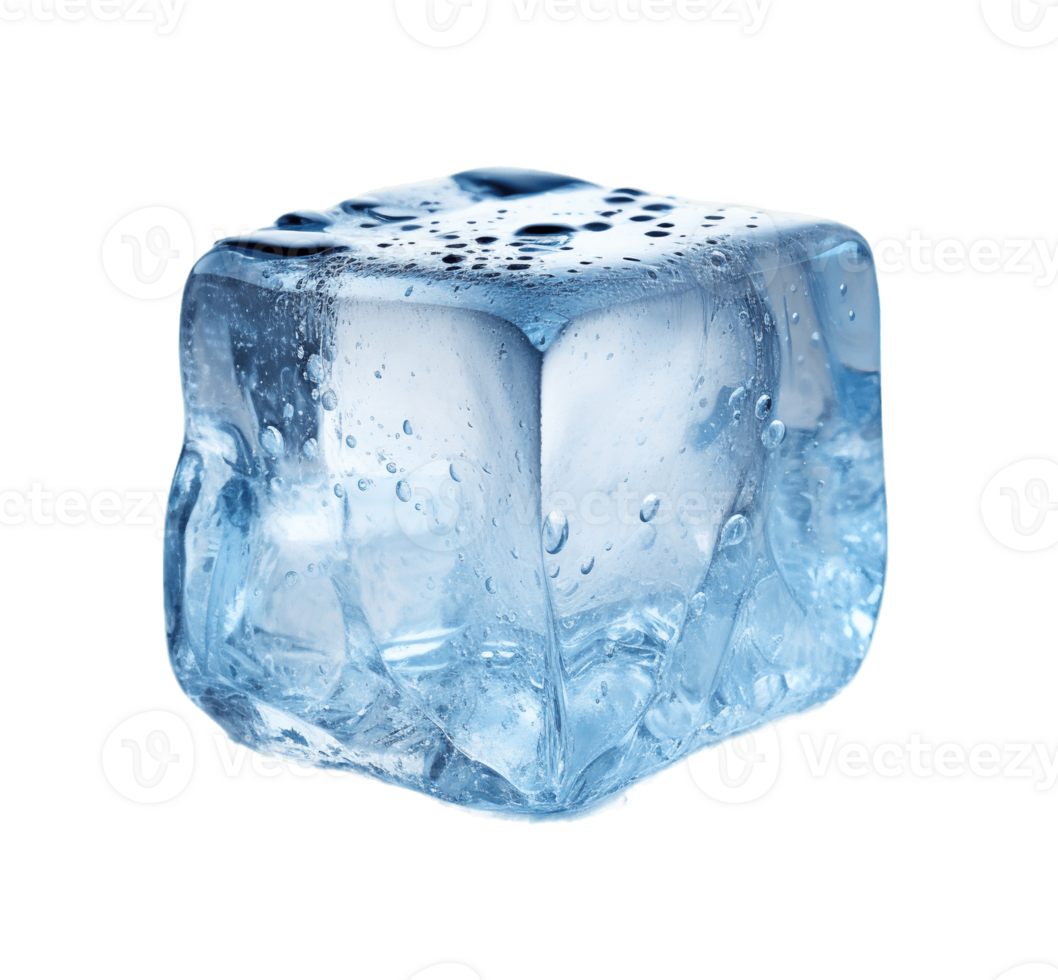
Solids are characterized by their defined shaped and volume, with particles arranged in a tightly packed, orderly structure. This rigidity results from strong intermolecular forces that hold the atoms, ions, or molecules in place, preventing them from freely moving as they would in liquids or gases. Instead of flowing, the particles in a solid vibrate around fixed positions, making solids generally incompressible and maintaining their form unless acted upon by an external force. The structural arrangement of solids can be crystalline, where atoms are arranged in a repeating, geometric pattern (such as in salt or diamonds), or amorphous, where the arrangement is more random and lacks a long-range order (such as in glass or rubber).
Solids also exhibit unique physical properties depending on their composition and bonding. Metallic solids, for instance, have a sea of delocalized electrons that allow them to conduct electricity and be malleable. Ionic solids, like table salt, consist of oppositely charged ions held together by strong electrostatic forces, making them brittle yet capable of dissolving in water. Covalent network solids, such as diamonds or quartz, have strong covalent bonds extending throughout the structure, resulting in extreme hardness and high melting points. Molecular solids, like ice or dry ice, rely on intermolecular forces such as hydrogen bonding or van der Waals forces, making them relatively soft with lower melting points. These varied structures and properties make solids one of the most diverse and essential states of matter in both nature and technology.